
Why Cold Weather Affects the Skin
Cold weather affects the skin mainly because low temperatures reduce blood flow to the skin surface. When it is cold, the body tries to conserve heat by narrowing blood vessels, especially in the hands, feet, ears, and nose. This reduced circulation means less oxygen and nutrients reach the skin, making it more sensitive and more prone to damage.
Cold air contains very little moisture, which leads to dryness and weakening of the skin’s natural protective barrier. As a result, the skin can become rough, itchy, cracked, and inflamed.
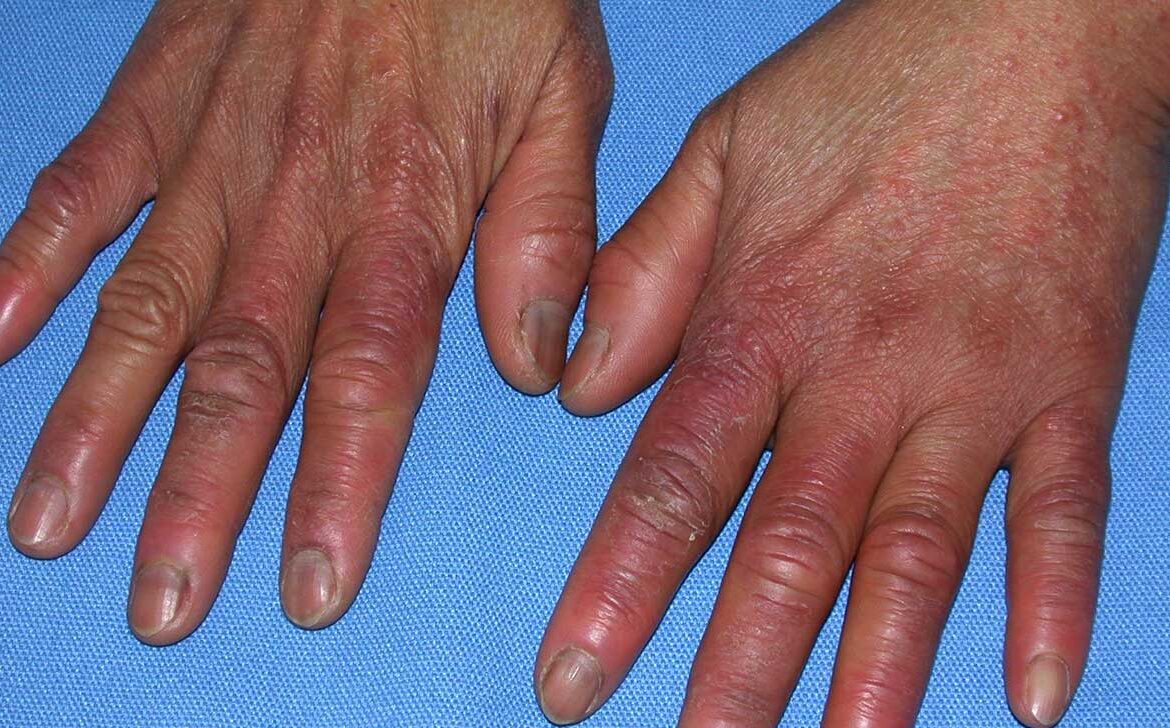
In conditions like chilblains, repeated exposure to cold followed by sudden warming causes inflammation of small blood vessels, leading to redness, swelling, and itching.
Cold urticaria occurs when the skin reacts abnormally to cold, releasing chemicals such as histamine, which results in hives, itching, or swelling.
People with sensitive skin, poor circulation, anemia, or those who spend long hours outdoors are more likely to experience these problems during winter.
Other Effects of Cold on Skin and Hair and How to Check Them
Apart from chilblains and cold urticaria, cold weather can cause severe dryness, skin cracking, eczema flare-ups, and increased skin sensitivity. The lips often become chapped, and heels may develop painful cracks due to loss of moisture.
The scalp can become dry and itchy, leading to dandruff or increased hair fall. Cold air combined with indoor heating strips moisture from both the skin and hair, making hair appear dull, frizzy, and brittle.
To check for cold-related damage, look for the following signs:
- Persistent dryness or flaking
- Redness and itching
- Small cracks that do not heal easily
- Increased hair breakage or excessive hair fall
- An itchy or irritated scalp
Feeling tightness after washing, even without visible dryness, is also a sign that the skin barrier is damaged. Early care can help prevent these problems from worsening.
Skin Problems Due to Frequent Water Exposure and How to Prevent Them
People who are frequently exposed to water—such as homemakers, cleaners, healthcare workers, and swimmers—often develop irritant contact dermatitis or hand eczema. Repeated contact with water, soaps, and detergents removes the skin’s natural oils, weakening its protective barrier.
This can lead to dryness, redness, itching, scaling, and sometimes painful cracks or small blisters. In some cases, the skin may become thickened over time.
Prevention tips include:
- Limiting direct water exposure whenever possible
- Wearing protective gloves while washing dishes or cleaning
- Using mild, fragrance-free soaps
- Gently drying the skin after washing
- Applying a thick moisturizer immediately to lock in moisture
- Using barrier creams before water exposure
These measures help protect the skin and prevent long-term damage.
When to Consult a Doctor
You should consult a doctor if skin or hair problems persist despite basic care or if symptoms become severe.
Seek medical advice if you experience:
- Painful swelling or severe itching
- Open sores, oozing, or bleeding cracks
- Signs of infection such as pus, warmth, or fever
- Sudden hives, swelling of the lips or face, or difficulty breathing after cold exposure (this requires urgent medical attention)
- Chilblains that recur every winter or do not heal within a few weeks
- Excessive or patchy hair loss or severe scalp conditions
Early consultation allows for proper diagnosis, timely treatment, and prevention of long-term skin damage or complications.