
Is Your Holi Color Toxic? 5 Hidden Dangers of Synthetic Dyes You Need to Know
Toxic Holi colors – Holi Color Holi is a festival of joy, unity, and vibrant celebration. Traditionally, the colors used during Holi were made from natural ingredients like turmeric, beetroot, henna, marigold, and other flowers. These plant-based powders were gentle on the skin and environmentally safe. However, in recent years, the shift toward cheaper, brighter, and mass-produced powders has introduced a serious concern: toxic Holi colors. Many of these synthetic powders contain industrial chemicals that can harm the skin, eyes, lungs, and even internal organs. Growing awareness around synthetic dye side effects, skin irritation from Holi, and lead in Holi colors has made it essential for consumers to understand what they are applying to their bodies.
The Shift from Natural to Synthetic Holi Colors
Earlier, Holi colors were prepared at home or sourced from herbal manufacturers. Flower petals were dried and powdered, and natural bases like gram flour or cornstarch were used as carriers. These ingredients not only produced beautiful hues but also offered mild therapeutic benefits.
Today, however, many commercially available colors are manufactured using industrial pigments intended for textile dyeing, paints, or printing inks. These compounds are often not cosmetic-grade. Due to inconsistent regulatory monitoring, some unsafe chemicals reach the consumer market without thorough testing. The result is an increased risk of adverse reactions and chemical exposure during what should be a joyful celebration.
1. Heavy Metals and Lead in Holi Colors
One of the most serious concerns linked to toxic Holi colors is the presence of heavy metals such as lead, mercury, chromium, and cadmium. Lead in Holi colors is particularly alarming. Lead is a toxic metal that can affect neurological development, kidney function, and hormonal balance. Children are especially vulnerable because their skin absorbs substances more easily and accidental ingestion during play is common.
Heavy metal exposure does not always produce immediate symptoms. Over time, accumulation in the body may contribute to long-term health complications. Mercury and chromium compounds can also trigger allergic reactions, skin toxicity, and systemic effects if absorbed through broken skin. The presence of such metals transforms a festive powder into a potential health hazard.
2. Severe Skin Irritation and Allergic Reactions
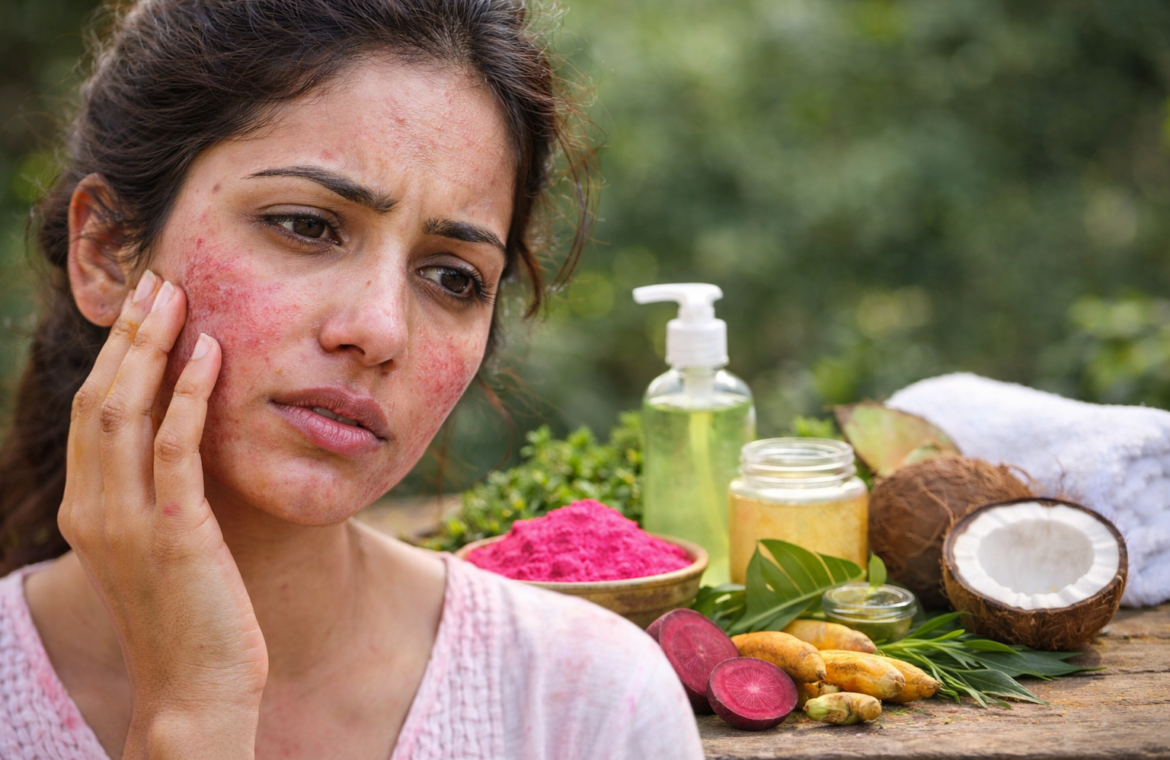
Skin irritation from Holi is one of the most frequently reported problems after celebrations. Redness, itching, burning, rashes, and swelling are common symptoms. These synthetic dye side effects occur because many industrial pigments contain chemical stabilizers, artificial fragrances, acids, alkalis, and metallic salts.
These substances disrupt the skin’s protective barrier and provoke inflammatory reactions. Conditions such as contact dermatitis and eczema flare-ups are often triggered by exposure.
What DR. D.M. Mahajan Says
Dr. D.M. Mahajan emphasizes that no synthetic color can be considered completely safe without strict regulatory oversight. According to him, “There is no safe colour when we are talking about synthetic colours. The darker the colour, the more harmful it is, but every colour may irritate skin.”
Darker shades typically contain higher pigment concentrations, increasing the likelihood of severe skin reactions.
3. Eye Damage and Respiratory Complications
During Holi, colored powders become airborne. Fine particles easily enter the eyes and respiratory system. Eye exposure can result in conjunctivitis, excessive tearing, burning sensation, redness, and in severe cases, corneal abrasions. If not treated promptly, chemical irritation may lead to lasting discomfort or visual complications.
Inhalation of synthetic powders can irritate the airways. Individuals with asthma, bronchitis, or other respiratory conditions are particularly vulnerable. Symptoms may include coughing, wheezing, throat irritation, and shortness of breath. Children and elderly individuals face higher risk due to more sensitive respiratory systems.
4. Worsening of Pre-Existing Skin Conditions
People with sensitive skin or chronic dermatological conditions are at greater risk from toxic Holi colors. Those suffering from atopic dermatitis, psoriasis, rosacea, or acne may experience severe flare-ups after exposure.
Dr. D.M. Mahajan advises that individuals with sensitive skin or atopic dermatitis must exercise special caution. The chemicals present in synthetic dyes can overstimulate the immune response in already compromised skin, leading to prolonged inflammation. Recovery may require medical treatment, including antihistamines, soothing creams, or prescription medications.
5. Long-Term Health Risks from Repeated Exposure
While immediate skin irritation is common, repeated yearly exposure to certain industrial dyes raises concerns about long-term health risks. Some azo dyes and industrial pigments have been studied for their potential carcinogenic properties under prolonged exposure. Hormonal disruption and liver toxicity are additional risks associated with certain chemical compounds.
Although occasional contact may not cause serious illness, cumulative exposure over years, especially beginning in childhood, can increase health risks. The lack of transparency in labeling makes it difficult for consumers to assess safety accurately.
Why Darker Holi Colors Are Often More Dangerous
Darker colors such as deep green, purple, metallic silver, and black often require stronger chemical stabilizers and higher pigment concentrations. This increases the likelihood of synthetic dye side effects. As highlighted by DR. D.M. Mahajan, darker shades statistically tend to cause more severe reactions. However, he stresses that no synthetic shade should be assumed safe without proper certification and ingredient transparency.
How to Choose Safer Holi Colors
To avoid toxic Holi colors, consumers should prioritize certified products from reputable brands. Packaging should clearly list ingredients and indicate cosmetic-grade compliance. Unlabeled powders sold loosely in plastic bags should be avoided.
Organic Holi colors made from plant-based ingredients such as turmeric, beetroot, hibiscus, marigold, spinach, and natural starch bases are far safer alternatives. These significantly reduce the risk of skin irritation from Holi and eliminate concerns about lead in Holi colors.
Perform a Patch Test
DR. D.M. Mahajan strongly recommends conducting a patch test before using any new color. Apply a small amount to the inner forearm and wait 24 hours. If redness, itching, or burning occurs, avoid using that product. This simple step can prevent widespread allergic reactions.
Protective Measures During Holi
Before stepping out to celebrate, apply coconut oil or a thick moisturizer to create a protective barrier on the skin. Oil the hair to reduce pigment adherence. Wear sunglasses to protect the eyes and avoid inhaling airborne powder. During celebrations, colors should not be forcefully rubbed onto the skin.
After Holi, rinse gently with lukewarm water before using a mild cleanser. Avoid harsh scrubbing, as this can worsen skin irritation. Applying aloe vera gel or a fragrance-free moisturizer can help restore the skin barrier.
Environmental Impact of Synthetic Holi Colors
The dangers of synthetic dyes extend beyond personal health. After celebrations, these chemical pigments wash into drains and water systems. Heavy metals can contaminate groundwater and harm aquatic life. Choosing plant-based, biodegradable colors not only protects the skin but also reduces environmental pollution.
Final Thoughts: Celebrate Safely and Responsibly
Holi is meant to spread happiness, not health complications. Toxic Holi colors, synthetic dye side effects, and skin irritation from Holi are preventable risks when consumers make informed decisions. Lead in Holi colors and other heavy metals pose unnecessary dangers, particularly for children and individuals with sensitive skin.
By selecting certified or organic products, performing patch tests, and following dermatological advice from experts like Dr. D.M. Mahajan, families can celebrate confidently. This Holi, choose colors that bring joy to your life without compromising your health.