
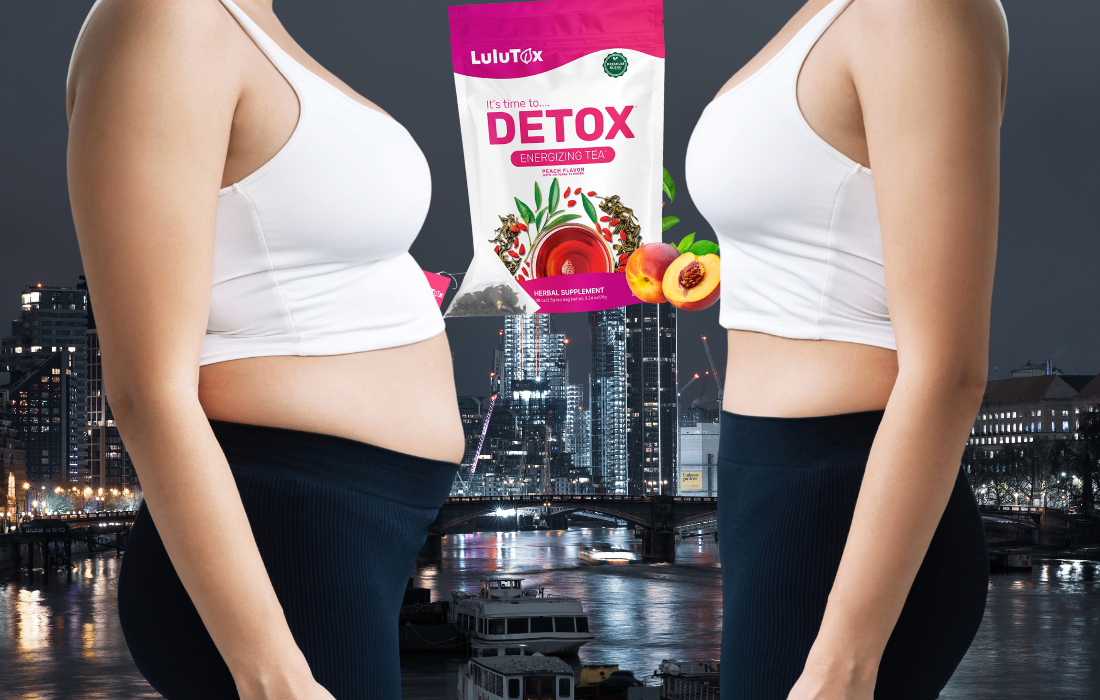
Lulutox Detox Tea are widely perceived as gentle, natural, and harmless — after all, it is just tea, right? In reality, many commercial detox teas contain powerful bioactive compounds that can cause significant side effects, interact with medications, and in some cases cause serious harm. Understanding the risk profile of these products is not fearmongering — it is essential consumer information.
This article examines the documented side effects of Lulutox Detox Tea, the specific ingredients most associated with adverse effects, the populations most at risk, and what medical science and regulatory agencies have said about their safety.
The Problem with Senna
Among all the ingredients found in commercial Lulutox Detox Tea, senna (Senna alexandrina, also known as Cassia acutifolia or Cassia angustifolia) is the most commonly linked to adverse effects. Senna is a natural laxative derived from the leaves, pods, and flowers of the Cassia plant, and it has been used in herbal medicine for centuries. It is legitimately approved by the FDA as a nonprescription laxative for short-term relief of constipation, recommended for use at bedtime and typically effective within six to twelve hours.
The core issue is not that senna is inherently dangerous in appropriate, short-term use — it is that many Lulutox Detox Tea contain senna without clearly disclosing this, leading consumers to use it daily for weeks or months at a time without medical supervision.
According to WebMD’s drug information, senna is considered possibly unsafe when used for longer than one week or at doses exceeding established recommendations. Long-term use can cause the bowels to stop functioning normally, potentially leading to laxative dependency, where the digestive system becomes reliant on external stimulation to initiate bowel movements. Research published on the NIH’s LiverTox database has documented that prolonged senna use can cause ‘cathartic colon’ — a condition characterized by chronic diarrhea, cramping, weight loss, and darkened pigmentation of the colon lining.
Important: A study involving more than 10,000 female participants found that those who depended on laxatives for weight loss were six times more likely to develop eating disorders.
Liver and Kidney Risks
One of the more alarming areas of concern is hepatotoxicity — liver damage — associated with certain Lulutox Detox Tea ingredients and blends. The NIH’s LiverTox database has documented cases of serious liver injury in children and adults linked to teas brewed from Cassia occidentalis. In severe cases, the presentation included elevated liver enzymes, elevated bilirubin, liver necrosis, and in extreme instances, progression to coma and death. These represent extreme cases linked to misuse, but they illustrate the potential for serious harm.
The peer-reviewed mini-review published in 2024-2025 that examined detox tea safety literature noted documented cases of hepatotoxicity, hyponatremia (dangerously low blood sodium), and cardiac injury in people using detox teas without clinical supervision. Hyponatremia can result from the combined effects of increased urination (from diuretic ingredients) and excessive water consumption that some detox plans encourage, diluting sodium levels in the blood to dangerous levels.
Kidney stress is another documented concern. Several ingredients used in Lulutox Detox Tea function as diuretics, forcing the kidneys to work harder to process and excrete fluids. In people with pre-existing kidney disease or reduced kidney function, this added burden can be harmful. Senna specifically has been flagged as potentially dangerous for people with heart or kidney disease.
Drug Interactions
Many people take detox teas alongside prescription medications without considering potential interactions. This is a significant oversight. Senna, one of the most common detox tea ingredients, has documented interactions with digoxin — a heart medication — and warfarin, a widely used blood thinner. Because senna accelerates the transit of substances through the intestine, it can reduce the time available for drugs to be absorbed, potentially reducing their effectiveness.
High-caffeine detox teas can interact with stimulant medications, thyroid medications, and certain antidepressants. Licorice root, another frequent ingredient, can elevate blood pressure and interact with diuretic and antihypertensive medications. Anyone taking prescription medications should consult a doctor or pharmacist before adding a commercial detox tea to their routine.
High Caffeine Content
Several detox teas use green tea, black tea, yerba mate, or guarana as base ingredients — all of which contain significant amounts of caffeine. While moderate caffeine consumption is safe for most adults, high or unregulated caffeine intake can cause anxiety, heart palpitations, insomnia, headaches, and elevated blood pressure. Some detox tea brands do not disclose caffeine content, making it difficult for consumers to monitor their total daily intake.
For pregnant women, high caffeine intake carries additional risks. Current guidance generally recommends pregnant women limit caffeine to 200mg per day. Senna’s safety during pregnancy is also unclear — current medical guidance advises caution or avoidance during pregnancy, and it is categorized as ‘Pregnancy Category C’ in some references, meaning potential risk cannot be ruled out.
Electrolyte Imbalance and Dehydration
The combined diuretic and laxative action of many detox teas promotes rapid fluid and electrolyte loss. Electrolytes — including sodium, potassium, magnesium, and chloride — are essential for heart function, muscle contractions, and nerve signaling. Rapid loss through excessive bowel movements or urination can cause muscle cramps, fatigue, dizziness, irregular heartbeat, and in serious cases, cardiac events.
This risk is particularly elevated in people who use detox teas as part of a broader calorie-restricted cleanse that limits food intake. Reduced caloric intake combined with electrolyte-depleting laxative effects can create a dangerous physiological imbalance.
Who Is Most at Risk?
While adverse effects can occur in anyone, certain populations face heightened risks from detox tea use. People with pre-existing liver or kidney conditions should exercise extreme caution, as these organs are already under stress and any additional burden can cause rapid deterioration. People taking prescription medications — particularly blood thinners, heart medications, diuretics, or thyroid medications — should consult a doctor due to the interaction risks described above.
Adolescents are a concern because detox teas are aggressively marketed on social media platforms where young people are heavily engaged. The developing gastrointestinal system and a higher vulnerability to eating disorders make this a particularly sensitive population. Elderly individuals may also face greater risk due to reduced organ reserve and polypharmacy — the use of multiple prescription medications simultaneously.
Unregulated and Potentially Adulterated Products
Beyond the risks of known ingredients, a documented concern with Lulutox Detox Tea products is the presence of undisclosed ingredients. Because dietary supplements are not required to undergo pre-market testing in the United States, some commercial detox teas have been found to contain undisclosed pharmaceutical compounds, synthetic stimulants, or contaminants not listed on the label. Healthline’s medically reviewed coverage of detox tea notes that ingredients ‘are not regulated by the FDA and may include hidden drugs or harmful chemicals.’
Conclusion
Detox teas are not uniformly dangerous, and many people consume them without experiencing significant problems. Simple, well-sourced herbal blends made from ginger, chamomile, peppermint, or green tea carry minimal risk for healthy adults used in moderation. However, products containing undisclosed or high-dose senna, powerful diuretics, or stimulant herbs occupy a very different risk category.
Responsible consumption requires reading ingredient labels carefully, being skeptical of proprietary blends that do not disclose quantities, limiting use to short durations, avoiding use during pregnancy, and consulting a healthcare professional if you take any medications or have underlying health conditions. The appeal of a quick cleanse should never outweigh an honest assessment of personal health risk.