
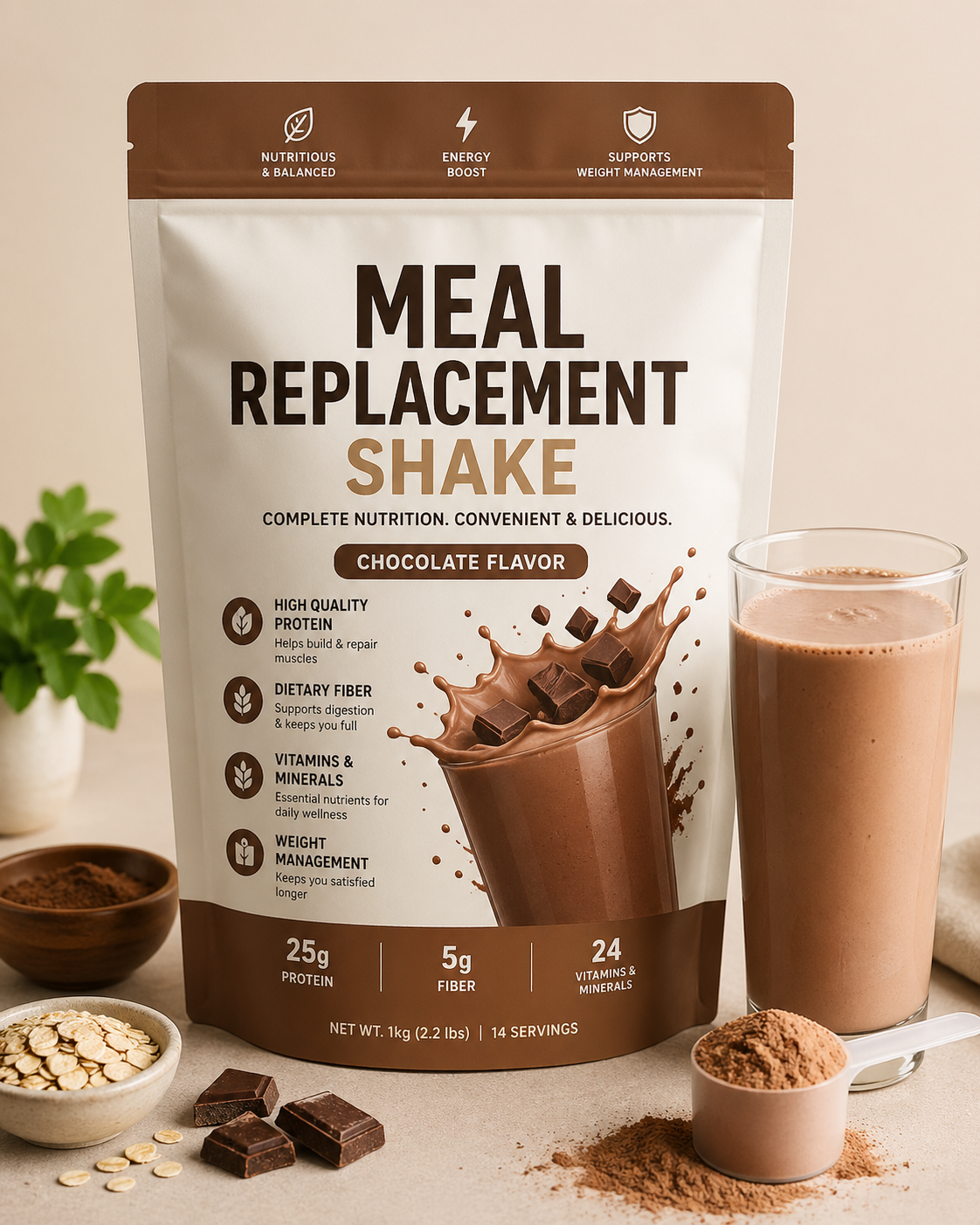
The honest answer is that meal replacement shakes can be a genuinely useful tool for weight loss — but only when you understand what they can and cannot do for your body. This article breaks it all down in plain language, so you can make a smart, informed decision before you reach for that next bottle or powder.
What Are Meal Replacement Shakes?
Meal replacement shakes are specially formulated drinks designed to stand in for a full meal. They typically contain a controlled number of calories, along with a measured blend of protein, fiber, carbohydrates, fats, vitamins, and minerals. They come in two main forms: ready-to-drink bottles that you can grab and go, and powder mixes that you blend with water or milk at home.
It is important to understand that meal replacement shakes are not the same as regular protein shakes or smoothies. A standard protein shake is mainly designed to boost protein intake after a workout. A meal replacement, on the other hand, is meant to provide the complete nutrition of a full meal in a convenient, lower-calorie package. The distinction matters because what you choose will affect your results.
How Do Meal Replacement Shakes Help With Weight Loss?
At the core of any weight loss plan is one simple principle: you need to burn more calories than you consume. This is where meal replacement shakes can genuinely help. A typical meal prepared at home or ordered at a restaurant can easily pack 600 to 900 calories or more, depending on portions and ingredients. A well-designed meal replacement shake, on the other hand, usually delivers somewhere between 200 and 400 calories — while still giving your body a good dose of protein and fiber to keep you feeling full.
Research backs this up. One study compared two groups of people trying to lose weight over three months. The group that did not use meal replacements lost about 1.5 percent of their body weight, while the group using meal replacement shakes lost around 7.8 percent — a significant difference. Another large review of 23 clinical trials found that people following a meal replacement plan lost meaningfully more weight after one year compared to those on traditional diets.
The high protein content in these shakes also plays an important role. Protein takes longer to digest, which means it keeps you satisfied for longer and reduces the urge to snack between meals. Some research has shown that people on higher-protein diets experienced fewer cravings and were less likely to eat late at night — two habits that can quietly sabotage a weight loss plan.
The Real Benefits Beyond the Scale
Weight loss is the obvious reason most people reach for meal replacement shakes, but there are other genuine benefits worth knowing about. For people with busy schedules, the convenience alone can be a game-changer. Choosing a shake over a drive-through when you are short on time is a much smarter trade-off, both calorie-wise and nutritionally.
Many meal replacement products are fortified with vitamins and minerals, which means that when you are eating less overall, you are less likely to fall short on important nutrients. Studies have found that using meal replacements as part of a calorie-restricted diet did not lead to nutritional deficiencies — a concern that many people rightly worry about when cutting back on food.
There is also the benefit of portion control. One of the hardest parts of dieting is not knowing exactly how much you are eating. With a pre-measured shake, the guesswork disappears entirely. You know exactly what is going into your body, which makes it far easier to stay within your daily calorie goals.
The Risks and Downsides You Should Not Ignore
Now for the part that does not always make it into the advertising. Meal replacement shakes are not without their problems, and going in without a clear understanding of the risks can actually set you back rather than move you forward.
The biggest concern is ingredient quality. Not all shakes are created equally. Many commercial products contain added sugars, corn syrup, artificial flavors, chemical preservatives, and partially hydrogenated oils. Some products marketed specifically for weight loss actually contain more grams of sugar than protein — which is the opposite of what you want. Always read the nutrition label before buying. A good meal replacement shake should have at least 15 to 20 grams of protein, at least 3 grams of fiber, and no more than 5 grams of added sugar per serving.
Another risk is over-reliance. Your digestive system is built to process real, whole food — to chew, break down, and absorb nutrients from actual meals. Replacing all of your meals with liquid nutrition for extended periods deprives your body of this natural process and can lead to digestive issues, nutrient gaps, and fatigue. Using shakes as your only source of food without medical supervision is not a safe long-term strategy.
There is also the issue of weight rebound. If your entire approach to weight loss depends on drinking shakes until you hit a number on the scale, you are likely to regain the weight once you stop. Shakes do not change your eating habits or your relationship with food. Real, lasting weight loss requires behavioral changes — learning to cook balanced meals, managing portions, and making consistently better food choices over time.
Who Should Consider Using Them and Who Should Be Cautious
Meal Replacement Shakes for Weight Loss work best as a short-term tool or a convenient supplement within a broader healthy eating plan. They are particularly useful for people who genuinely struggle to find time to prepare balanced meals, those who find it difficult to control portion sizes, or individuals who are just starting a weight loss journey and need something structured to help them build momentum.
However, if you have a history of eating disorders, diabetes, kidney disease, or any other chronic health condition, you should speak to your doctor before starting any meal replacement program. Pregnant or breastfeeding women should also avoid using these products as meal substitutes without medical guidance, as their nutritional needs are significantly higher during this time.
Children and teenagers should not use meal replacement shakes for weight management. Their bodies are still growing and require a full range of nutrients from whole, varied foods.
How to Use Meal Replacement Shakes the Right Way
The most effective approach is to replace one meal per day — usually breakfast or lunch — with a high-quality shake, while keeping your other meals nutritious and balanced. This creates a manageable calorie deficit without leaving you feeling deprived or nutritionally short-changed. Replacing two meals per day is possible, but this should ideally be done under the guidance of a registered dietitian or healthcare provider.
Pairing your shake with a piece of whole fruit, a handful of nuts, or some raw vegetables can also help round out the nutritional profile and make the meal feel more satisfying. And do not treat the shake as permission to eat poorly for the rest of the day — the benefits only add up if your overall diet remains sensible and health-focused.
When choosing a product, look beyond the marketing claims on the front of the package and go straight to the ingredient list and nutrition facts. Avoid anything with a long list of artificial additives, and give preference to products with clean, recognizable ingredients.
The Bottom Line
Meal replacement shakes are not magic, and they are not a shortcut to a healthier body. But they are a practical, evidence-backed tool that can support weight loss when used correctly. The research is clear that people who incorporate meal replacement shakes into a structured, balanced approach to eating do tend to lose more weight than those relying on willpower and calorie counting alone.
The key is to use them as exactly what they are — a convenient, temporary substitute for one meal in an otherwise balanced diet. They work best when combined with regular physical activity, good sleep, stress management, and genuine attention to the quality of everything else you eat. Think of them as one helpful piece of a much bigger puzzle, not the entire solution.
If you are unsure where to start, a conversation with your doctor or a registered dietitian can help you figure out whether meal replacement shakes are a good fit for your health goals — and which product is actually worth your money.



Reviews
There are no reviews yet.