
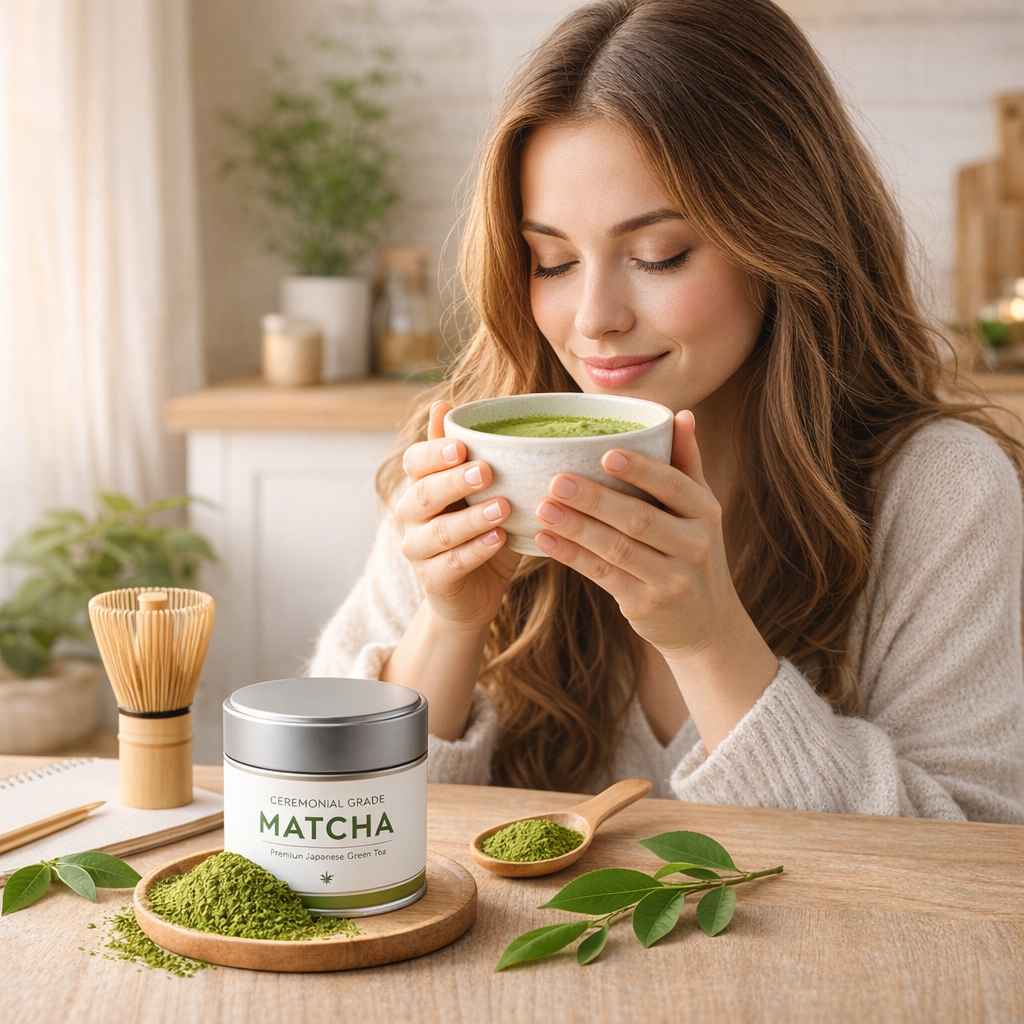
In today’s fast-moving world, energy has become a daily requirement rather than a luxury. Most people rely on coffee, energy drinks, or sugary beverages to stay alert and productive. But these quick fixes often come with unwanted side effects—jitters, anxiety, and the inevitable crash that leaves you more tired than before.
This is where ceremonial grade matcha is gaining serious attention. Known for its smooth taste, vibrant green color, and powerful health benefits, matcha is not just another trend. It’s a centuries-old Japanese tradition that offers a smarter, cleaner way to stay energized and focused.
If you’ve been wondering whether ceremonial grade matcha really works for clean energy without the crash, this guide breaks it down in a simple, human way—no hype, just facts and real insights.
What Is Ceremonial Grade Matcha?
A Simple Explanation
Ceremonial grade matcha is the highest quality form of green tea powder. It is made from young tea leaves that are grown in shade, carefully harvested, and stone-ground into a fine, bright green powder.
Unlike regular tea, where you steep leaves and throw them away, matcha allows you to consume the entire leaf. That means you get more nutrients, more antioxidants, and a stronger overall effect.
Why “Ceremonial” Grade Matters
Not all matcha is the same. Ceremonial grade is considered premium because:
- It uses the youngest and most tender leaves
- It has a naturally sweet, smooth taste
- It contains higher levels of beneficial compounds
- It is meant to be consumed on its own, not mixed heavily with sugar or milk
Lower grades, often called culinary matcha, are more bitter and usually used in recipes. If your goal is clean energy and focus, ceremonial grade is the right choice.
How Matcha Provides Clean Energy Without the Crash
The Problem with Coffee
Coffee gives you a quick boost because of caffeine. But that boost comes fast—and drops just as quickly. This leads to:
- Sudden energy spikes
- Jitters or nervousness
- Energy crashes after a few hours
- Dependence on multiple cups a day
For many people, this cycle becomes exhausting.
The Matcha Difference
Matcha also contains caffeine, but the experience is completely different. The reason is a natural compound called L-theanine.
L-theanine slows down how caffeine is absorbed in the body. Instead of a sharp spike, you get a gradual release of energy.
This results in:
- Steady energy for longer periods
- No sudden crash
- Calm, focused alertness
- Better mood and reduced stress
It’s the kind of energy that feels smooth and controlled, not overwhelming.
Benefits of Ceremonial Grade Matcha
Boosts Focus and Mental Clarity
One of the biggest reasons people switch to matcha is improved focus. The combination of caffeine and L-theanine enhances brain function, helping you stay sharp without feeling anxious.
Whether you’re working, studying, or managing a busy schedule, matcha helps you stay mentally present.
Rich in Antioxidants
Matcha is loaded with antioxidants, especially catechins. These help fight free radicals in the body and support overall health.
Because you consume the whole leaf, matcha provides significantly more antioxidants than regular green tea.
Provides Calm Energy
Unlike coffee, matcha doesn’t overstimulate your nervous system. It promotes a calm state of alertness, which is ideal for long work sessions or creative tasks.
You feel awake, but relaxed at the same time.
Supports Metabolism and Wellness
Matcha can support metabolism and may help in maintaining a healthy lifestyle when combined with proper diet and exercise.
It’s not a miracle solution, but it’s a smart addition to a balanced routine.
Improves Mood and Reduces Stress
The L-theanine in matcha also helps promote relaxation and reduce stress levels. This makes it especially helpful for people who feel anxious after consuming coffee.
Side Effects of Ceremonial Grade Matcha
Contains Caffeine
Even though matcha provides smoother energy, it still contains caffeine. If consumed in large amounts, it may lead to:
- Trouble sleeping
- Mild headaches
- Increased heart rate in sensitive individuals
Moderation is important. One to two servings per day is generally ideal.
Quality Matters
Low-quality matcha can taste bitter and may not provide the same benefits. Always choose high-quality ceremonial grade matcha from trusted sources.
Possible Sensitivity
Some people may be sensitive to caffeine or green tea compounds. If you are new to matcha, start with a small amount and observe how your body responds.
Does Ceremonial Grade Matcha Really Work?
Realistic Expectations
Yes, ceremonial grade matcha does work—but not in the way energy drinks do.
You won’t feel a sudden rush. Instead, you’ll notice:
- More stable energy throughout the day
- Improved focus without distractions
- Less need for multiple caffeine hits
- A calmer, more balanced mental state
The effects are subtle but powerful over time.
Who Will Benefit the Most
Matcha works especially well for:
- Professionals who need sustained focus
- Students preparing for exams
- People trying to reduce coffee intake
- Anyone looking for a healthier energy source
If you expect an instant “kick,” you may not appreciate matcha at first. But if you value steady performance and clarity, it’s highly effective.
How to Use Matcha in Daily Life
Morning Routine
Start your day with a cup of matcha instead of coffee. It sets a balanced tone for the rest of the day.
Midday Energy Boost
Instead of reaching for another coffee, have matcha in the afternoon to avoid the typical energy crash.
Pre-Work or Study Drink
Matcha is excellent before deep work sessions. It helps you stay focused for longer periods without burnout.
Simple Preparation
- Add 1 teaspoon of matcha powder to a bowl
- Pour hot (not boiling) water
- Whisk until smooth and frothy
You can drink it plain or add milk for a latte-style version.
Matcha vs Coffee: Which Is Better?
Energy Quality
Coffee gives fast energy, but matcha gives sustained energy. This makes matcha better for long-term productivity.
Mental Experience
Coffee can cause anxiety in some people, while matcha promotes calm focus.
Overall Health
Matcha contains more antioxidants and nutrients, making it a healthier daily option.
That said, the choice depends on your personal needs. Some people still enjoy coffee, but many are switching to matcha for a more balanced experience.
Common Myths About Matcha
“Matcha Is Just Another Trend”
Matcha has been used for centuries in Japanese culture. Its recent popularity doesn’t change its long-standing benefits.
“It Doesn’t Have Enough Caffeine”
Matcha has enough caffeine to keep you alert, but without the harsh effects of coffee.
“It Tastes Bad”
High-quality ceremonial matcha tastes smooth and slightly sweet, not bitter. Taste often depends on quality.
Final Thoughts
Ceremonial grade matcha is more than just a drink—it’s a smarter way to fuel your body and mind. It offers clean, steady energy without the crash, supports focus and mental clarity, and provides a range of health benefits.
While it’s not a magic solution, it is a powerful upgrade to your daily routine. If you’re tired of energy highs and lows, switching to matcha could be one of the simplest and most effective changes you make.
Start small, stay consistent, and you’ll begin to notice the difference—not in a sudden rush, but in a calm, steady improvement in how you feel and perform every day.
Reviews
There are no reviews yet.