
By – Dr. DM Mahajan
Fun Fact: The skin on your lips has no oil glands — that’s why hydration is so important.
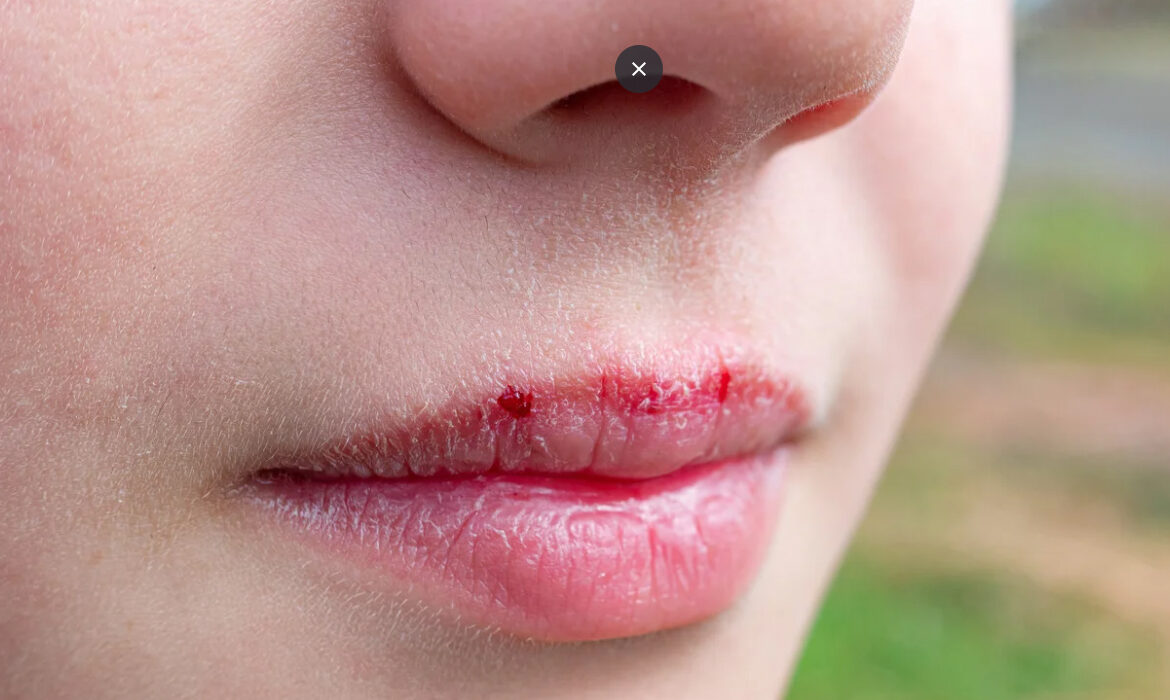
Winter brings cozy sweaters, hot drinks, and festive feelings — but it also brings something far less pleasant: dry, cracked lips. If you’ve ever wondered why your lips seem to suffer the most when temperatures drop, you’re not alone. Chapped lips are one of the most common winter-related skin issues, and there’s a good scientific reason behind it. Understanding why lips become so dry can help you better protect them — and enjoy smooth, supple lips all year long.
In this article, we’ll break down the unique biology of lip skin, the environmental factors that worsen dryness, and the habits that may be secretly making the problem worse. You’ll also discover simple, effective tips for preventing winter lip damage and how professional lip treatments can restore hydration at a deeper level.
The Science Behind Lip Skin: Why It’s More Delicate Than You Think
Most people don’t realize that the skin on the lips is dramatically different from the skin on the rest of the body. This structural difference explains why lips become dry, irritated, and cracked more easily — especially in harsh weather.
1. Lips Have No Oil Glands: Here’s the fun fact that surprises almost everyone: The skin on the lips contains no oil (sebaceous) glands. Oil glands are responsible for producing your skin’s natural oils — the protective barrier that locks in moisture and shields you from environmental irritants. Since the lips don’t have this built-in protection, they dry out significantly faster.
Without these oils, your lips rely solely on external hydration. When the air becomes cold and dry, moisture disappears quickly, leading to tightness, flaking, and cracking.
2. Lip Skin Is Extremely Thin: Your lips are made up of 3–5 layers of skin, while the rest of your face has around 16 layers. This means:
- Moisture escapes more quickly
- Irritants penetrate more easily
- Damage occurs faster and heals more slowly
Thinner skin also makes the blood vessels underneath more visible, giving lips their natural pink or red color — but this also means they’re more vulnerable to dryness.
3. Lips Lack Melanin Protection
Melanin is the pigment that helps protect skin from UV radiation.
Your lips have very little melanin, which means they are more sensitive to sun exposure — even in winter. Many people forget to wear SPF lip balm during cold months, leaving their lips unprotected from UV rays that can worsen dryness and cracking.
Why Winter Makes Everything Worse
Winter is the perfect storm of environmental factors that strip moisture from your lips.
1. Dry, Cold Air Pulls Moisture Out of the Skin: When temperatures drop, the air becomes less humid. Low humidity causes moisture to evaporate from the lips at twice the normal rate. The result? Lips that feel tight, dry, and irritated.
2. Indoor Heating Dries the Air Even More: Central heating systems — radiators, heaters, fireplaces, and forced air — warm your space but also reduce indoor humidity. Spending hours in a heated environment dries out the skin and lips even faster.
3. Wind Irritation: Cold wind acts like sandpaper on the delicate skin of the lips. Wind exposure can:
- strip away moisture
- cause redness
- worsen flaking
- lead to painful cracks
Even a short walk outdoors can trigger irritation if your lips are already dry.
4. Dehydration in Winter: Most people drink less water during winter because they don’t feel as thirsty. Mild dehydration is extremely common during colder months, and one of the first areas to show it is the lips.
5. The Lip-Licking Cycle: When your lips feel dry, it’s natural to lick them — but this is one of the biggest causes of cracking.
Here’s why:
- Saliva causes temporary relief
- But as it evaporates, it pulls more moisture from the lip skin
- Enzymes in saliva can irritate and break down the lips’ protective surface
This creates a cycle of dryness → licking → more dryness → cracking.
Common Habits That Make Cracked Lips Worse
Even if you’re aware of the harsh winter environment, you might unknowingly do things that worsen the problem. These everyday habits contribute to lip damage:
1. Using Matte or Long-Lasting Lipsticks: These formulas often contain alcohol or drying ingredients that absorb moisture from the lips. They’re great for wear time — not great for hydration.
2. Neglecting SPF on the Lips: Winter sun may feel weak, but UV rays are still powerful. Snow can even reflect UV light, increasing exposure.
3. Breathing Through the Mouth: This pushes warm, dry air over the lips, speeding up moisture loss.
4. Using Harsh Lip Scrubs Too Often: Exfoliation can help, but over-exfoliating irritates the already thin skin on the lips and can cause micro-tears.
5. Certain Toothpastes or Mouthwashes: Products containing strong whitening agents or alcohol can irritate sensitive lip skin.
How to Protect Your Lips During Winter
The good news? You don’t have to suffer through dry, cracked lips. With a few thoughtful habits, you can keep your lips soft and hydrated all season long.
1. Use a Lip Balm That Actually Works
Not all lip balms are created equal. Look for ingredients like:
- Beeswax or shea butter (creates a protective barrier)
- Ceramides (strengthen the skin’s moisture barrier)
- Hyaluronic acid (pulls moisture into the skin)
- Squalane (deep hydration)
- SPF 15 or higher (UV protection even in winter)
Avoid lip balms with artificial fragrances, menthol, camphor, or alcohol — these can make dryness worse.
2. Hydrate From Within: Drink more water than you think you need. Herbal teas and warm water with lemon count too.
3. Use a Humidifier: Adding moisture back into your indoor environment can make a huge difference. Your skin — and your lips — will thank you.
4. Protect Your Lips Outdoors: Cover your mouth with a scarf or high collar on windy days to minimize exposure.
5. Exfoliate Gently — Only When Needed: Use a soft lip scrub or a damp washcloth once or twice a week to remove dead skin. Never exfoliate cracked or bleeding lips.
Why Professional Lip Treatments Are a Game Changer
Even with the best home care, sometimes winter dryness becomes stubborn. That’s where professional lip treatments come in — designed to deliver hydration deeper than topical balms can.
Lip Hydration Facial — Deep Nourishment for Dry Lips
A lip hydration facial is a specialized treatment that focuses on:
- rehydrating dry or cracked lips
- soothing irritation
- improving lip texture
- restoring softness and plumpness
Using professional-grade serums, gentle exfoliation, and moisture-locking techniques, this facial helps rejuvenate the lips in a way everyday products simply can’t.
Lip Booster — Restore Volume & Smoothness
A lip booster treatment goes a step further by helping to:
- enhance natural lip fullness
- smooth fine lines
- improve color and softness
- support long-lasting hydration
This treatment is ideal for people whose lips look flat, dull, or severely dehydrated — especially during winter months.
When Should You Consider a Professional Lip Treatment?
You may benefit from a lip hydration facial or lip booster if you notice:
- chronic dryness or chapped skin
- peeling that doesn’t improve with lip balm
- painful cracking
- dull or deflated lips
- fine lines around the mouth
These treatments not only restore hydration but also improve the overall appearance of your lips, making them look smoother, juicier, and more vibrant.
Final Thoughts
Lips crack more in winter because they lack oil glands, have thin skin, and are exposed to harsh environmental conditions. Cold air, low humidity, indoor heating, and everyday habits can rapidly dehydrate and damage them.
By understanding the unique structure of lip skin — and how winter affects it — you can protect your lips with the right habits and treatments.
So this winter, show your lips a little extra love. Keep them moisturized, shield them from the elements, and consider enhancing your routine with a lip hydration facial or lip booster to ensure your smile stays smooth, soft, and beautiful all season long.
If you’d like, I can turn this into a polished blog post with SEO keywords, headings, meta description, and social media captions!
